
If your AC not cooling your East Windsor home is becoming a concern, it’s important to understand that air conditioning systems can lose efficiency for a variety of reasons. During the warmer months in Connecticut, your AC unit works continuously to maintain indoor comfort, and even small issues can quickly impact performance.
In many cases, homeowners notice warm air coming from vents, longer cooling cycles, or uneven temperatures throughout the home. These signs often point to underlying mechanical, airflow, or electrical problems that require attention. While some causes are simple and easy to address, others require professional diagnosis and repair.
Below are the most common reasons your air conditioner is not cooling properly, along with what they mean for your system and when you should consider calling a professional for AC repair.
1. Dirty or Clogged Air Filter
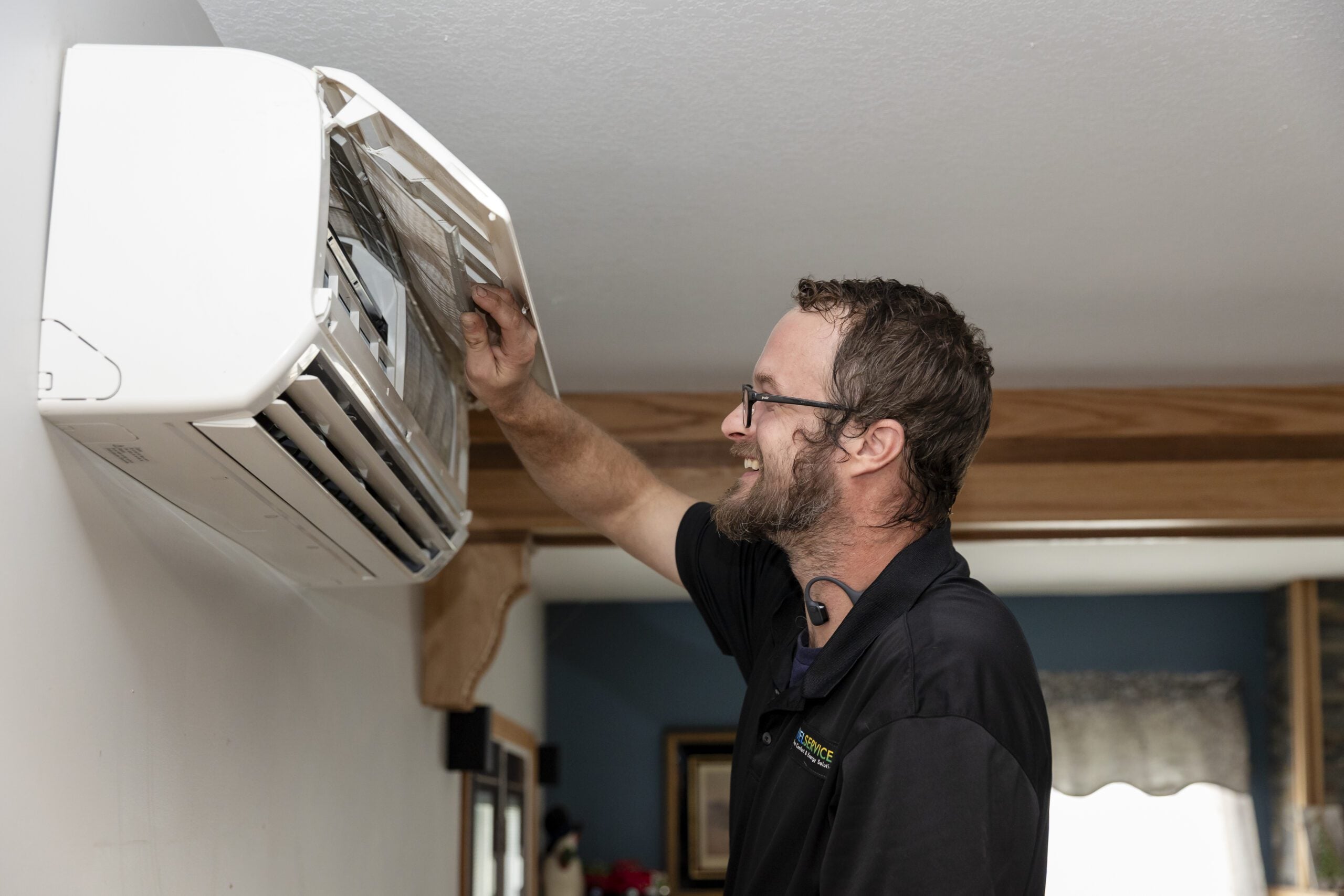
A dirty air filter is one of the most frequent causes of reduced cooling performance. Over time, dust, debris, and airborne particles accumulate in the filter, restricting airflow throughout the system. When airflow is limited, your air conditioner cannot circulate enough cool air, which leads to uneven temperatures and decreased efficiency.
As the system struggles to push air through the blockage, it may also experience additional strain, increasing wear on internal components. In some cases, restricted airflow can even contribute to freezing inside the system, particularly on the evaporator coil. Regularly replacing or cleaning your air filter helps maintain consistent airflow and keeps your AC operating efficiently.
2. Thermostat Set Incorrectly
Thermostat issues are often overlooked but can significantly impact how your air conditioning system performs. If the thermostat is set incorrectly, your system may run without actually cooling your home. For example, if it is set to “fan” instead of “cool,” air will circulate without lowering the temperature.
In addition, incorrect temperature settings, calibration issues, or low battery power can all interfere with proper operation. The placement of the thermostat within your home can also affect performance, especially if it is located near heat sources or in direct sunlight. Ensuring that your thermostat is properly configured is a simple but important step in diagnosing cooling problems.
3. Tripped Circuit Breaker
Air conditioning systems rely heavily on electrical components, and a tripped circuit breaker can interrupt normal operation. When the breaker trips, it may shut off power to critical parts of the system, such as the outdoor condenser or compressor, resulting in warm air blowing through your vents.
While resetting the breaker may temporarily restore function, recurring electrical issues often indicate deeper problems within the system. Faulty wiring, worn components, or electrical overloads can all cause repeated interruptions. Addressing these issues promptly helps prevent further damage and ensures your system operates safely.
4. Frozen Evaporator Coil
The evaporator coil plays a central role in the cooling process by absorbing heat from indoor air. When airflow is restricted or refrigerant levels are imbalanced, the coil can become too cold and freeze. This prevents proper heat absorption and stops the cooling process altogether.
Homeowners may notice reduced airflow, warm air from vents, or visible ice on indoor components. A frozen coil is typically a symptom of another underlying issue, such as a dirty filter or blocked airflow. Turning off the system to allow it to thaw is important, but resolving the root cause is necessary to prevent the problem from recurring.
5. Low Refrigerant or Refrigerant Leak
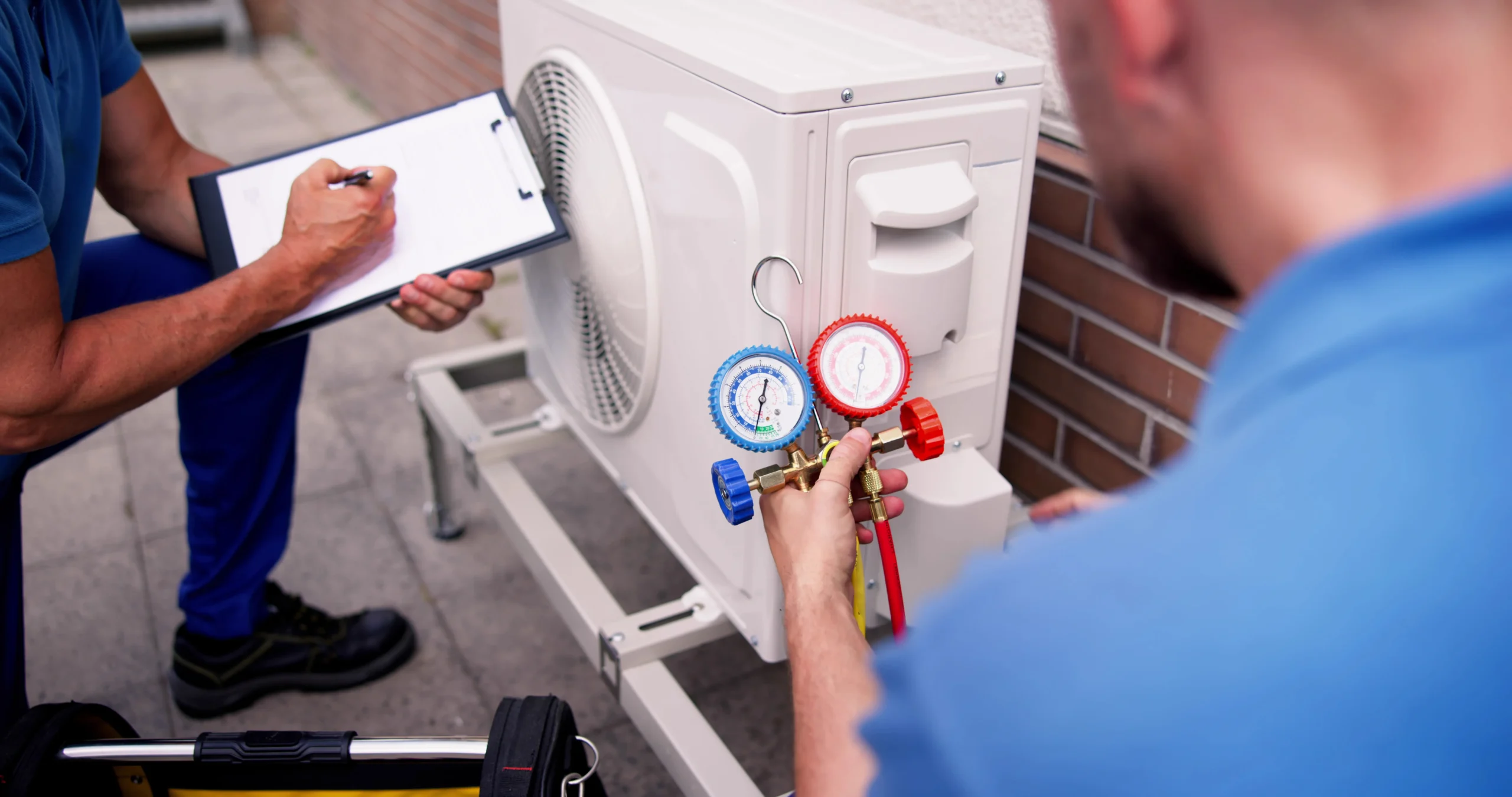
Refrigerant is essential for transferring heat out of your home. When levels are low, the system loses its ability to cool effectively. This is often the result of a refrigerant leak, which not only reduces efficiency but can also lead to long-term damage if left unaddressed.
A system with low refrigerant may run longer than usual, produce insufficient cooling, or exhibit unusual sounds. Because refrigerant systems are sealed and regulated, any leak or imbalance requires professional handling. Proper diagnosis and repair ensure the system operates efficiently and safely.
6. Dirty Condenser Unit
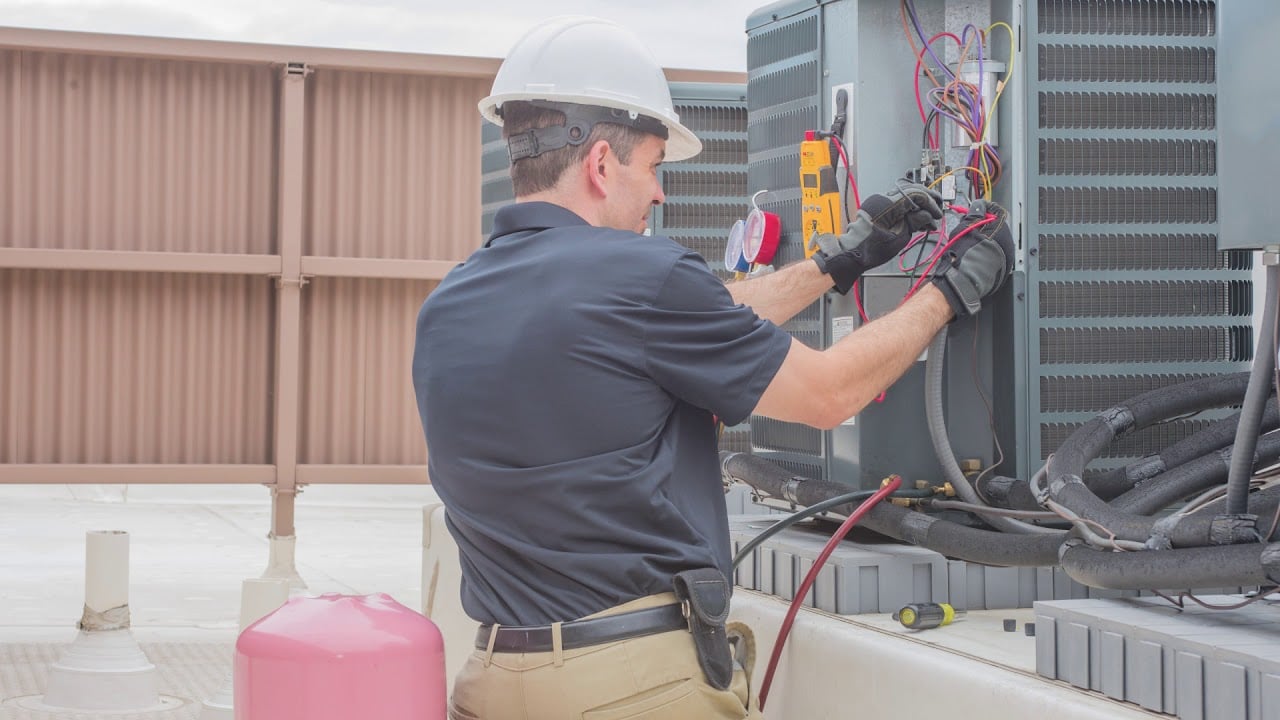
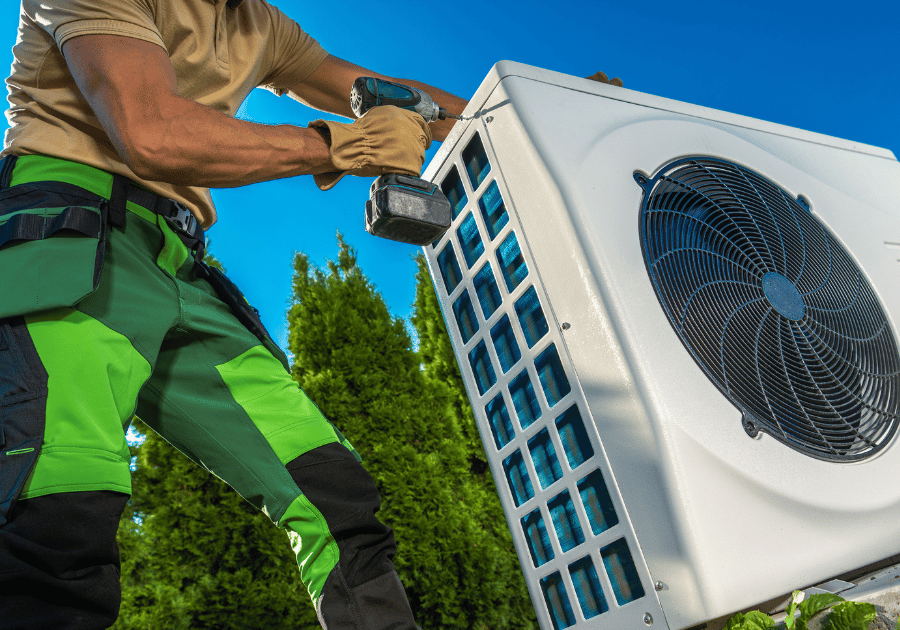
The outdoor condenser unit is responsible for releasing heat collected from inside your home. When this unit becomes dirty or obstructed, it cannot dissipate heat effectively, causing your system to work harder and cool less efficiently.
Environmental factors such as dirt, grass clippings, and debris can accumulate around the condenser, limiting airflow and reducing performance. Over time, this added strain can lead to overheating or system failure. Routine cleaning and scheduled HVAC maintenance help keep the condenser functioning properly and extend the life of your system.
7. Leaking or Disconnected Ductwork
Ductwork is responsible for delivering cooled air throughout your home, and any leaks or disconnections can significantly reduce system efficiency. When air escapes before reaching your living spaces, your system must work harder to maintain the desired temperature.
This often results in uneven cooling, weak airflow, and increased energy costs. In many homes, duct issues go unnoticed because they occur in hidden areas such as attics or crawl spaces. Proper inspection and sealing of ductwork can restore efficiency and improve overall comfort.
8. Failing Compressor
The compressor is a critical component that enables the circulation of refrigerant throughout the system. When it begins to fail, the entire cooling process is compromised. A failing compressor may cause your AC to run without effectively cooling your home or stop working altogether.
Signs of compressor issues can include unusual noises, inconsistent cooling, or frequent system shutdowns. Because of its importance and cost, compressor problems should be addressed as early as possible to avoid more extensive repairs or complete system replacement.
9. Undersized AC Unit
An air conditioning system that is too small for your home will struggle to maintain comfortable temperatures, particularly during periods of high heat. Even when running continuously, an undersized unit may never reach the desired temperature, leading to ongoing discomfort and higher energy usage.
Proper system sizing depends on multiple factors, including the size of your home, insulation levels, layout, and climate conditions. If your system is consistently unable to keep up with demand, upgrading to a correctly sized unit may be the most effective long-term solution.
When to Call for AC Repair in East Windsor
While some air conditioning issues can be resolved with simple adjustments, many problems require professional expertise to diagnose and repair correctly. When your system continues to blow warm air, struggles to maintain temperature, or shows signs of mechanical failure, it is important to take action before the issue worsens.
Persistent performance problems often indicate deeper issues within the system that cannot be resolved without proper tools and experience. Delaying repairs can lead to increased damage, reduced efficiency, and higher repair costs over time.
If your AC in East Windsor is not cooling your home, working with a qualified technician ensures the problem is accurately identified and resolved. Clean Climate HVAC provides reliable service tailored to the needs of local homeowners, helping restore comfort and efficiency as quickly as possible.
For fast and dependable service, schedule professional AC repair and get your system back to peak performance.